
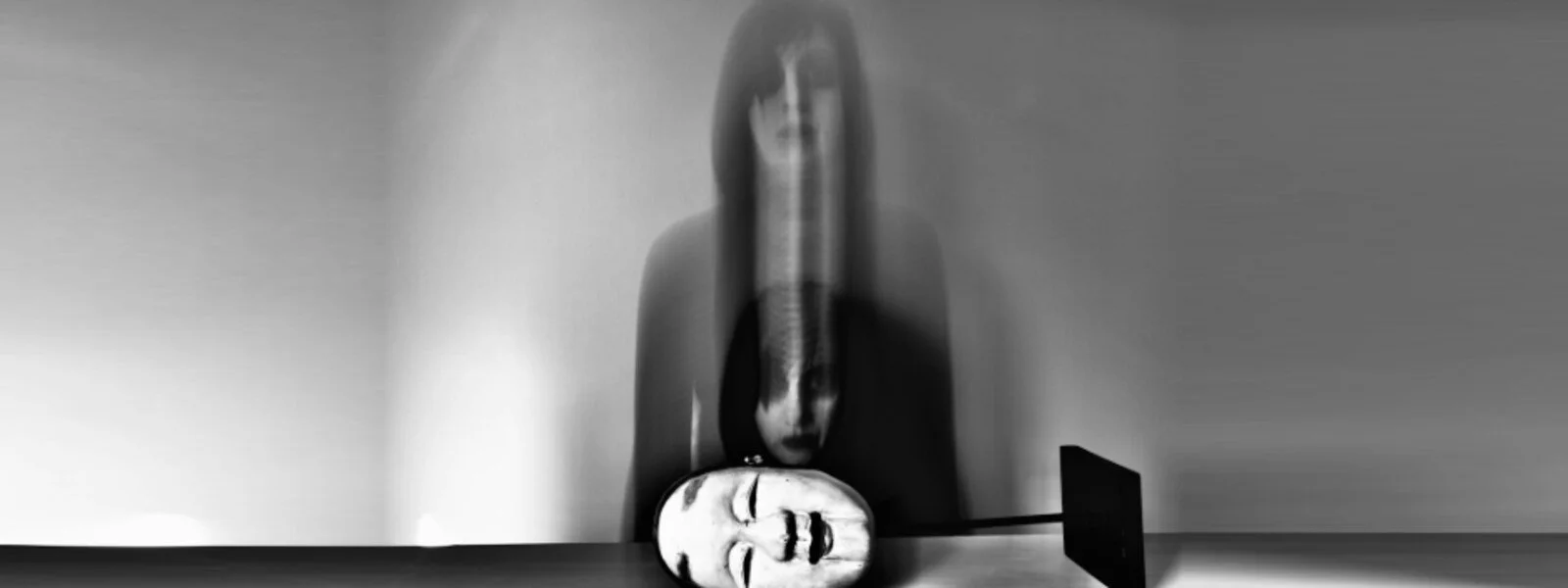
Behind the Mask: What Are We Hiding From the World?
Do you ever tell everyone you’re fine, then wait until you’re alone to let yourself cry? We explore how we learn to hide what we feel and what it might take to let someone in.
Behind the Mask: What Are We Hiding From the World?
Sometimes, the person the world sees is very different from how we feel inside.
We might appear confident, positive, capable and strong. We might be the person who makes everyone laugh, keeps things together or reassures others that everything is fine. We may be the person everyone turns to for support, always ready to listen or help, even when we’re struggling ourselves. At work, with family or among friends, we can learn to wear different masks, showing the parts of ourselves we believe others will accept.
But what happens when we take the mask off?
Behind the smile, there might be anxiety, shame, loneliness, grief, anger or exhaustion. We might feel overwhelmed or unsure who we can turn to. Sometimes we become so used to hiding our feelings that we lose sight of them ourselves. We get so good at looking after everyone else that we forget to ask a simple question. What do I need?
Where did the mask begin?
Perhaps we grew up believing that we had to be happy, strong or positive, even when things around us were difficult. Our feelings might have been overlooked or dismissed. We may have learned to watch other people carefully and keep our own needs quiet to avoid conflict, rejection or judgement.
For some of us, this can develop into people-pleasing. We say yes when we want to say no, apologise when we’ve done nothing wrong or feel responsible for other people’s happiness. Even a small boundary can feel difficult when we’re used to worrying about how someone might react.
For those who have experienced trauma, these patterns can have deeper roots. Growing up around unpredictability, emotional neglect, abuse or conflict may have taught us to notice small changes in someone’s mood. We might have learned to keep the peace, anticipate what others needed or hide our own feelings to get through a difficult situation.
Perhaps being agreeable felt safer than disagreeing. Perhaps being helpful was how we felt valued. Perhaps there was no one we felt safe enough with to show our anger or sadness.
We can slip into these roles without realising it. The mask may have helped us cope, get through difficult situations or hold on to relationships that mattered to us. Over time, though, something that once protected us can leave us feeling disconnected from ourselves and others.
When the world feels unsafe
For some of us, keeping our distance feels safest. We might retreat behind four walls because being alone feels more manageable than the uncertainty of being seen, judged or hurt.
For others, feeling safe might mean staying busy, looking after everyone else or trying to make sure nobody is upset with us. We can become so focused on how others are feeling that we rarely stop to notice what’s going on for us.
Perhaps we’ve spent so long pushing our feelings down that we struggle to name them. Sometimes they build up until we snap, and then the guilt sets in. Why did I lash out? We might worry that people will see us as weak if they know how much we’re struggling. So we keep holding things together for everyone else, saving our tears for the shower or crying into a pillow at night so no one can hear.
We can want connection and be afraid of it at the same time. We might long for someone to understand us, yet struggle to let them close enough to see how we’re really doing. We might worry that if we stop being the strong one, the helpful one or the positive one, people will see us differently or pull away.
Trauma can shape how safe we feel in relationships long after the experiences that shaped us have passed. We might expect rejection, question other people’s intentions or feel uneasy when someone is kind to us. If we’ve spent years adapting to what others expect, even knowing what we want can feel unfamiliar.
We may judge ourselves for feeling this way and wonder why we can’t simply be more confident or resilient. What might we notice if we gave those feelings a little room and tried to understand where they came from?
When putting ourselves last becomes a way of life
Putting other people first can be an expression of care and love. When our own needs keep getting pushed aside, though, we can end up feeling exhausted, resentful, invisible or alone.
We might be the person who always checks that everyone else is okay, while nobody realises how much we’re struggling. We might listen to everyone else’s problems and find it hard to talk about our own. Even resting or asking someone for help can bring up guilt.
Perhaps we’ve learned to measure our worth by how useful we are. We might worry that having needs will make us seem demanding, selfish or difficult to love. These beliefs can grow out of repeated experiences of having our needs overlooked, or relationships where affection and approval seemed to depend on what we did for someone else.
Over time, it can become hard to tell the difference between what we genuinely want to give and what we feel we have to give to stay accepted. One place to start is to notice what happens when someone asks us for something. Do we pause and consider what we have the energy for, or do we hear ourselves saying yes before we’ve had a chance to think?
Slowly exploring what lies beneath
We can begin exploring what’s behind the mask in private, at a pace that feels manageable. A moment of curiosity can be enough to start.
What might be happening beneath the smile? What feelings are hardest to acknowledge? What are we afraid might happen if someone sees us struggling? How do we feel when we consider putting one of our own needs first?
We might begin to remember when we learned to keep certain feelings to ourselves, avoid disagreement or take responsibility for keeping the peace. What did we need in those moments? Who, if anyone, could we turn to?
Counselling can offer a space to explore these questions. Together, we can make sense of the experiences that shaped the mask and give some attention to what we’ve kept hidden. There might be sadness, anger, fear, shame or a longing to feel accepted as we are.
If we’ve experienced trauma, counselling can help us explore how past experiences still influence the way we see ourselves and respond to people today. Understanding what the mask helped us get through can make it easier to approach those patterns with compassion and consider what might help us feel safer now.
Finding our way back into the world
As we begin to understand ourselves, we may discover that we have more choices than we once realised. We can decide who feels safe to confide in, what we want to share and when we feel ready.
A first step might be telling a trusted friend we’ve had a hard week, taking time to think before agreeing to a favour or asking for a little help when we’re tired. Someone else might feel disappointed when we set a boundary, and we can give ourselves time to sit with that feeling before deciding how to respond.
Perhaps, over time, the four walls that once offered protection can become one of several places we feel safe. Connection may start to feel a little less frightening as we find people we can be more open with, one conversation at a time.
Talk to us at Untangled Therapy
You might recognise some of these questions. Why do I feel so anxious? Why do I snap at the people I love? Am I doing enough for my children? Why do I feel low when I can’t put my finger on what’s wrong?
If this article feels familiar, you can request a free 15-minute introductory call with Untangled Therapy. It’s a chance to ask questions, talk a little about what’s brought you here and see whether counselling with us feels right for you. We offer sessions in Bromley and online.
Free · Confidential · No obligation
Read our other blog posts here